

Categories
First Time Homebuyer Tips, Homebuying ProcessA Homebuyer's Guide
Title Insurance Explained
What it protects, why it matters, and what to expect before you receive your keys.
What is title insurance?
When you buy a home, you are purchasing more than the building and land. You are also acquiring the legal right to own and use that property. Title insurance is a policy that protects your legal ownership of a home against problems from the property's past — like undisclosed liens, recording errors, or forged documents — typically for a one-time premium paid at closing.
Before a title insurance policy is issued, public records are searched and the property's title is examined. The goal is to identify and resolve known issues before closing. The policy then provides protection against covered title defects that were not discovered or could not be resolved.
Unlike many insurance products, title insurance generally involves a one-time premium paid at closing—not a monthly or annual payment.
Owner's Policy vs. Lender's Policy
Owner's Title Policy
An owner's policy protects the buyer's ownership interest, subject to the policy's coverage amount, terms, exclusions, and exceptions. It can help pay covered legal-defense costs or losses.
Coverage commonly continues for as long as the insured owner, and sometimes qualifying heirs, retains an interest in the property.
Lender's Title Policy
A lender's policy protects the mortgage lender's financial interest up to the loan amount. Most lenders require it.
It does not protect your equity or ownership interest. Its coverage generally decreases as the loan is paid down and ends when the mortgage is satisfied.
What title problems may be covered?
Depending on the policy, title insurance may protect against issues such as:
- Unknown or missing heirs who later claim an ownership interest
- Forged deeds, releases, wills, or other recorded documents
- Errors in public records or mistakes in recording legal documents
- Fraud, false impersonation, or invalid execution of documents
- Undisclosed liens, mortgages, judgments, or other encumbrances
- Previously undisclosed easements or recorded restrictions
- Lack of a legal right of access to and from the property
- Certain ownership claims arising between the policy date and deed recording
Important: Coverage depends on the exact policy. Matters disclosed in the title commitment, accepted by the buyer, created after the policy date, or otherwise excluded may not be covered.
From purchase agreement to title policy
- The order is opened. The purchase information is received and the title work begins.
- Public records are searched. Records are reviewed for deeds, mortgages, liens, judgments, easements, and other matters.
- The title is examined. The findings are evaluated, and a title commitment lists requirements and exceptions.
- Title issues are addressed. Payoffs, releases, corrections, or other documents may be requested before closing.
- Closing and recording take place. Documents are signed, funds are handled, and the deed and mortgage are submitted for recording.
- The policies are issued. After recording and final review, the owner's and lender's policies are issued, as applicable.
Frequently Asked Questions
Do I need an owner's policy if my lender already has a policy?
A lender's policy protects the lender, not your down payment, equity, or ownership interest. An owner's policy is separate protection for you.
Is title insurance required?
A lender will usually require a lender's policy when there is a mortgage. An owner's policy is generally optional, although practices and requirements can vary.
What is a title commitment?
It is the insurer's offer to issue a policy if stated requirements are met. It also identifies exceptions—matters the proposed policy will not cover. Review it and ask questions before closing.
What does title insurance cover?
It addresses covered title defects, not the home's physical condition. Survey matters, boundary disputes, zoning, environmental conditions, or issues created after closing may be excluded unless covered by the policy or an endorsement.
What should I do if someone challenges my ownership?
Contact the title insurer named on your policy promptly and follow the policy's notice instructions. Keep your policy and closing records in a safe place.
How much does title insurance cost?
Pricing varies by location, property value, loan amount, insurer, and available discounts. Ask for a written estimate and confirm which policy and endorsements are included.
Before you close
Read the title commitment, confirm how you will hold title, ask about exceptions and endorsements, and verify wire instructions through a trusted phone number before sending funds.

Questions about your home purchase?
I am here to help you understand the process and feel prepared for closing.
651-247-1917 | alyssa@alyssaswenson.com
www.alyssaswenson.com
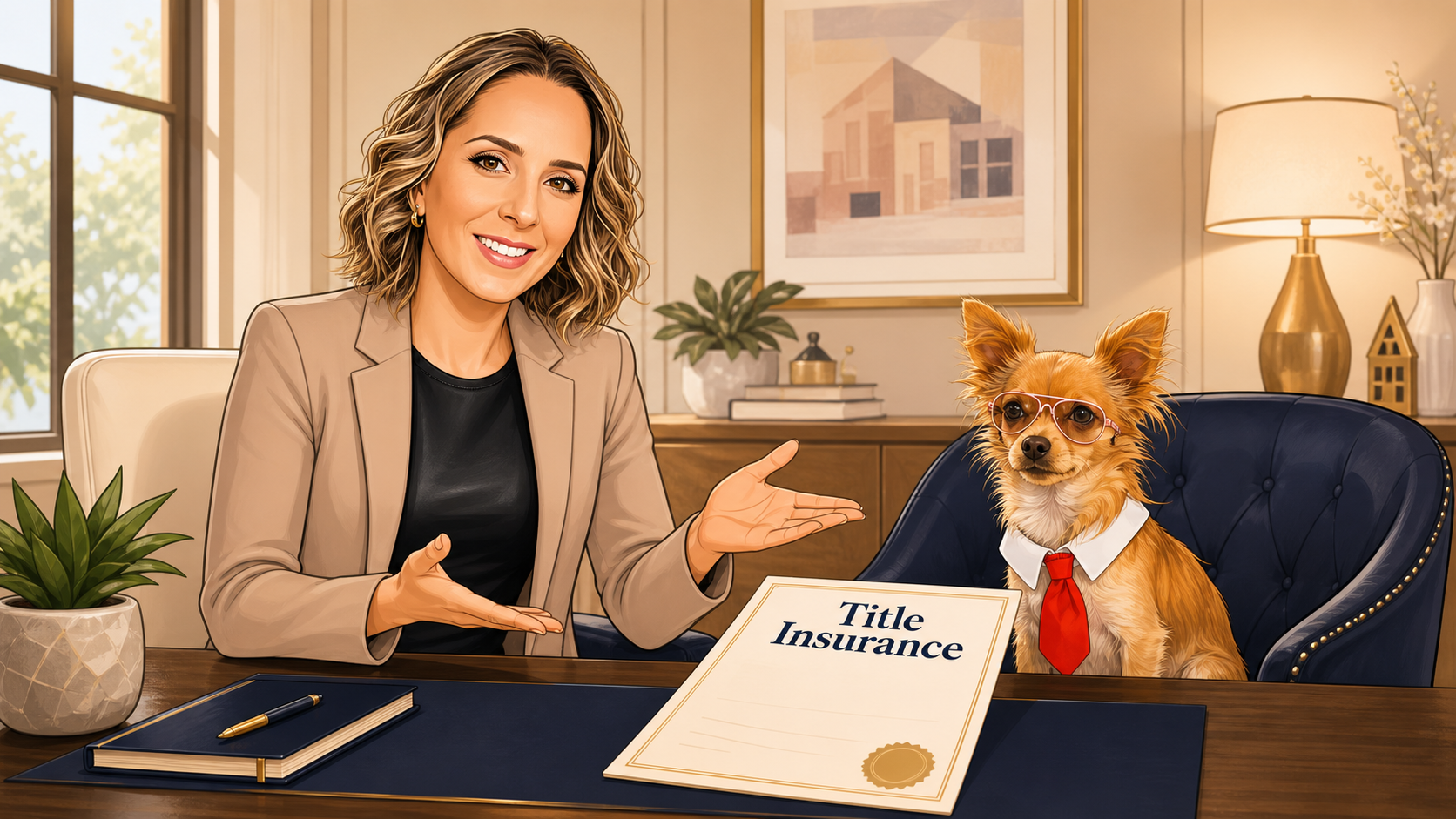
PS... Tell your dog I said hi.
This article is a general educational overview and is not legal or insurance advice. Policy forms, coverage, exclusions, exceptions, underwriting practices, and legal requirements vary by insurer and jurisdiction. Your title commitment and issued policy control. Consult your title professional or attorney about your transaction.